
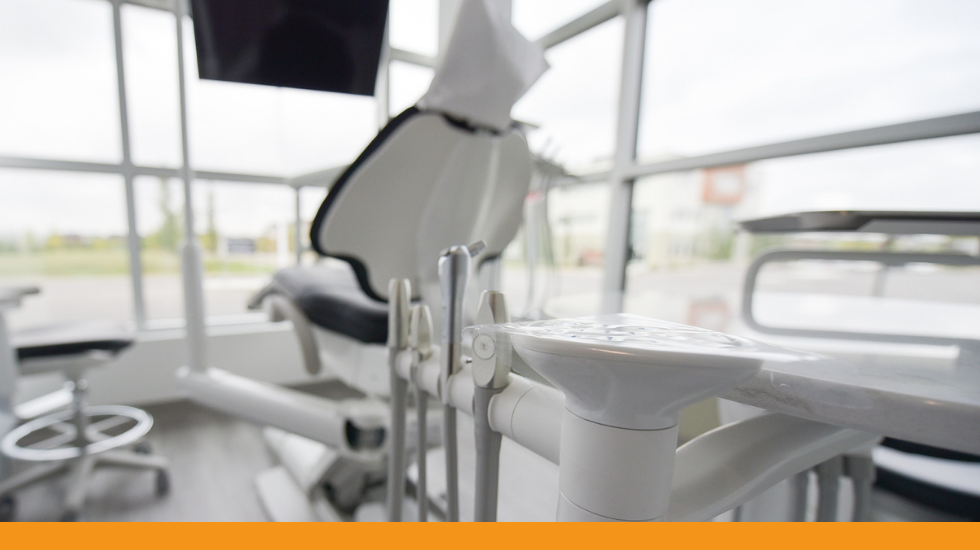
In Lethbridge, a new multi-level dental clinic needed finishes that could handle heavy traffic while staying spotless. Decca specified seamless flooring and solid-surface countertops throughout, reducing bacteria traps and making daily cleaning more efficient. The result was a polished environment that looked upscale but was designed first and foremost for hygiene and easy maintenance.
When it comes to healthcare interior design, aesthetics are important, but hygiene is essential. The materials you choose can make a significant difference in controlling infection, streamlining cleaning, and ensuring compliance with Alberta’s healthcare standards. At Decca Design, we combine beauty with practicality so your clinic looks inviting while meeting the highest standards of cleanliness.
Here are five material considerations that help keep healthcare spaces clean, safe, and efficient.
1. Seamless, Non-Porous Flooring
Floors are one of the most frequent contact points in a clinic environment. Seams, grout lines, and porous surfaces can trap dirt and bacteria.
Pro Tip: Opt for seamless vinyl, rubber, or poured resin flooring that is easy to sanitize and resists moisture. In treatment areas, coved edges that curve up the wall prevent debris from collecting at the floor junction.
2. High-Performance Wall Finishes
Paint can be beautiful, but in high-contact healthcare spaces, it should also be washable and antimicrobial.
At Apollo Dental in Calgary’s Beacon Hill community, Decca used durable wall finishes and millwork that could withstand constant cleaning in a busy practice. Walnut accents and glossy white surfaces created a modern look, while antimicrobial coatings ensured the walls stayed hygienic even under the demands of a high-volume clinic.
3. Solid-Surface Countertops
Laminate may be cost-effective, but over time it can peel at the edges and allow bacteria to collect. Solid-surface materials like Corian or quartz offer a seamless, non-porous finish that’s both durable and easy to disinfect.
Pro Tip: Integrated sinks with no seams between the basin and countertop further reduce bacteria traps and make cleaning faster.
4. Touchless Fixtures and Hardware
Every handle, faucet, or door is a potential transmission point. Incorporating touchless fixtures reduces the number of surfaces patients and staff need to touch.
When Aeir Dental opened in Calgary, Decca incorporated touchless faucets and sleek motion-activated hardware into the design. These choices weren’t just about aesthetics — they minimized cross-contamination risks and streamlined the cleaning routine for staff. Patients noticed the modern, hygienic feel immediately, reinforcing the clinic’s focus on safety and care.
5. Upholstery That Works Hard
In waiting areas, upholstery needs to withstand frequent cleaning without fading or cracking. Healthcare-grade vinyls and performance fabrics resist stains, block moisture, and can handle hospital-grade disinfectants.
Pro Tip: Choose fabrics rated for healthcare use with antimicrobial properties and double rub counts high enough for heavy daily use.
Design That Protects Patients and Staff
Infection control starts at the design stage. By making smart material choices, you create a space that supports your team’s cleaning protocols and gives patients confidence in your care.
At Decca Design, we bring decades of healthcare interior design experience to every project, ensuring your clinic meets Alberta’s regulatory standards without sacrificing style.
Book your complimentary consultation today and let’s design a clinic that is as safe as it is welcoming.