
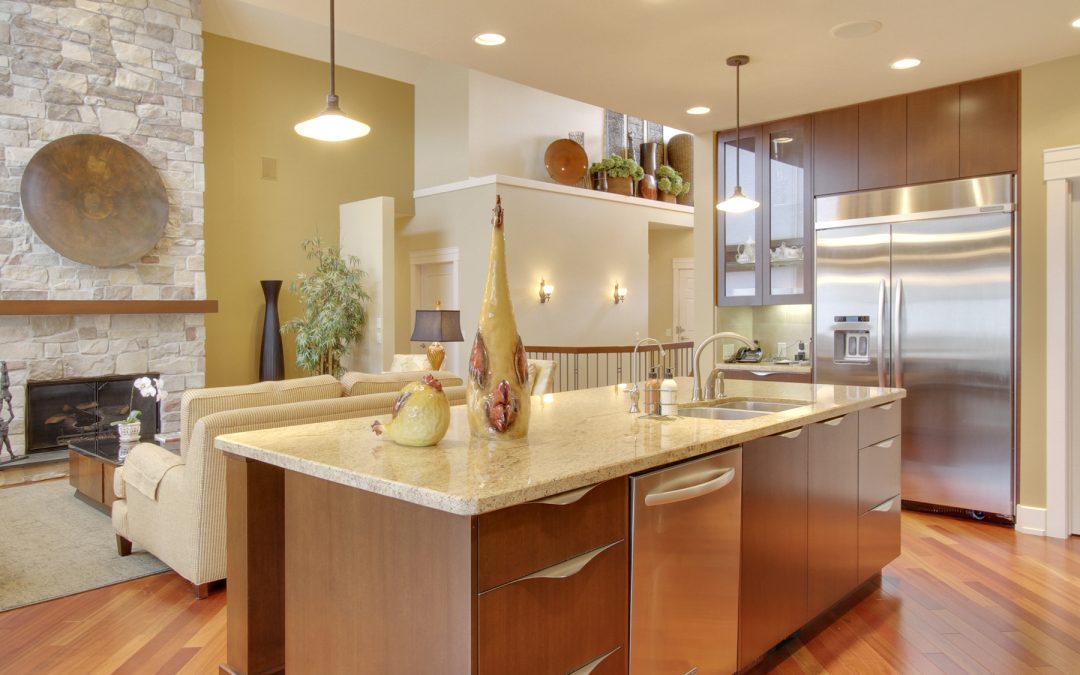
Home should feel good.
Not just look beautiful.
The spaces we live in shape how we move through our days, how we connect with others, and even how we feel emotionally and physically. From the amount of natural light in a kitchen to the ease of moving through a hallway, thoughtful residential design can quietly improve everyday life in meaningful ways.
That is why wellness-focused design has become such an important part of modern homes.
In 2026, homeowners are thinking beyond finishes and furniture selections. They are asking deeper questions:
Does this home support our lifestyle?
Does it feel calm and functional?
Can it grow and adapt with our family over time?
Because great residential design is not only about aesthetics. It is about creating spaces that support wellbeing, comfort, and connection every day.
This isn’t just about design. It’s about people.
Why Wellness Matters in Residential Design
Wellness-focused homes are designed around how people truly live.
That means considering:
- Natural light
- Air quality and ventilation
- Functional layouts
- Acoustic comfort
- Storage and organization
- Accessibility and aging-in-place features
- Emotional comfort within the home
- Flexible spaces for changing family needs
When these elements work together, a home feels easier to live in.
Morning routines feel smoother.
Shared spaces feel more connected.
Quiet spaces actually feel restful.
And daily frustrations caused by poor layouts or inefficient flow begin to disappear.
Small design decisions often create the biggest impact over time.
The Power of Natural Light
Light changes everything.
It influences mood, energy, focus, and even how connected we feel to a space. One of the most valuable investments in residential design Alberta homeowners can make is maximizing natural light throughout the home.
That does not always mean adding more windows.
Sometimes it means:
- Improving sightlines between rooms
- Selecting lighter finishes and reflective surfaces
- Opening walls to share borrowed light
- Layering lighting for different times of day
- Creating brighter gathering spaces where families naturally connect
Natural light can make spaces feel larger, calmer, and more welcoming.
It also supports emotional wellbeing during long Alberta winters when daylight becomes especially valuable.
Thoughtful lighting design creates homes that feel uplifting year-round.
In one residential renovation project, natural light became a central design priority. By opening sightlines, adding patio access, and reworking the kitchen layout, the home transformed from feeling enclosed and disconnected to bright, welcoming, and highly functional. The result was a space that better supported gathering, entertaining, and everyday comfort for the homeowners.
Air Quality and Ventilation Matter More Than Ever
A healthy home goes beyond what you can see.
Ventilation, airflow, and material selection all play a role in how a space supports physical wellbeing.
Today’s homeowners are paying more attention to:
- Indoor air quality
- Low-toxicity materials
- Durable and easy-to-clean finishes
- Humidity control
- Fresh air circulation
- Sustainable design choices
These features may not always be visible in the final reveal photos, but they make a significant difference in daily comfort.
A well-designed home should feel fresh, breathable, and easy to maintain.
Especially for busy families.
If the Flow Doesn’t Work, Nothing Else Will
One of the biggest contributors to stress in a home is poor flow.
Spaces that feel cramped, disconnected, or inefficient create friction throughout the day. People spend unnecessary time navigating awkward layouts, searching for storage, or working around spaces that simply do not support their routines.
Good flow creates ease.
It considers how people move through the home naturally:
- How groceries enter from the garage
- Where backpacks and shoes collect
- How family members gather and separate
- Where quiet moments happen
- How entertaining flows between rooms
- How the home adapts during different stages of life
This is where Return on Design Investment (RODI) becomes incredibly valuable.
A thoughtful floor plan does not just improve appearance. It improves how a home functions every single day.
That saves time, reduces stress, and creates a more enjoyable living experience.
One busy family struggled with disconnected living spaces, limited storage, and layouts that no longer supported their daily routines. Through thoughtful space planning, the redesign introduced better circulation, dedicated storage zones, improved gathering areas, and functional transitions between spaces. The updated layout created a home that felt calmer, more efficient, and far easier to live in day to day.
Designing for Every Stage of Life
Inclusive residential design means creating homes that support people at every age and stage.
That may include:
- Wider circulation paths
- Curbless showers
- Better lighting visibility
- Main floor living options
- Flexible guest spaces
- Multi-generational living considerations
- Easy-to-maintain finishes
- Furniture layouts that improve accessibility and comfort
These features are no longer viewed as purely functional.
They are thoughtful investments in long-term livability.
And they often increase resale value because wellness-focused homes continue to be highly desirable in the market.
A home that adapts with your family is a home designed to last.
In another home transformation, the design focused on creating spaces that could better support evolving family needs over time. Main floor living areas were reimagined for improved accessibility and functionality, while private workspaces, creative areas, and organized transition zones helped the home adapt to both busy schedules and long-term lifestyle changes. The result was a more supportive and flexible environment for every member of the household.
Wellness Spaces Are Becoming Essential
Today’s homes are working harder than ever before.
They are places to gather, recharge, work, host, rest, and reconnect.
That is why many homeowners are prioritizing wellness-focused spaces such as:
- Reading nooks
- Quiet retreats
- Spa-inspired ensuites
- Organized mudrooms
- Flexible home offices
- Creative spaces
- Outdoor living connections
- Calm and clutter-free storage solutions
These spaces support emotional wellbeing in subtle but powerful ways.
And often, it is not about adding more square footage.
It is about using existing space more intentionally.
Thoughtful Design Creates Daily Joy
The best residential spaces are not always the most extravagant.
They are the ones that feel effortless to live in.
A home filled with natural light.
A kitchen that supports connection.
A quiet corner to recharge.
A layout that makes everyday routines easier instead of harder.
These are the moments that shape how we feel in our homes.
At Decca Design, we believe wellness-focused residential design should support comfort, function, and beauty equally. When homes are designed around real people and real lifestyles, they create a lasting Return on Design Investment that goes far beyond aesthetics.
Because a well-designed home does more than look beautiful.
It helps people feel better living in it.
Ready to Create a Home That Supports Wellbeing?
Whether you are planning a renovation, redesigning a key living space, or building a custom home, thoughtful residential design can improve how your home feels and functions for years to come.
Book your complimentary consultation today. Let’s create a home designed for the way you truly live.